
Summary
Hawesville Mill has won the 2025 Marty Barfield Memorial Award for its safety efforts. It also hosted a two-week workshop on Learning From Normal Work. Now, it’s leading the way in safety at Domtar, with:
Measurable risk reduction projects (known as CARPs, or common at-risk practices)
Restructured safety committees that represent every area of the mill
A budget that empowers safety committees to resolve CARPs
Ongoing training to help hourly workers identify risks associated with normal work
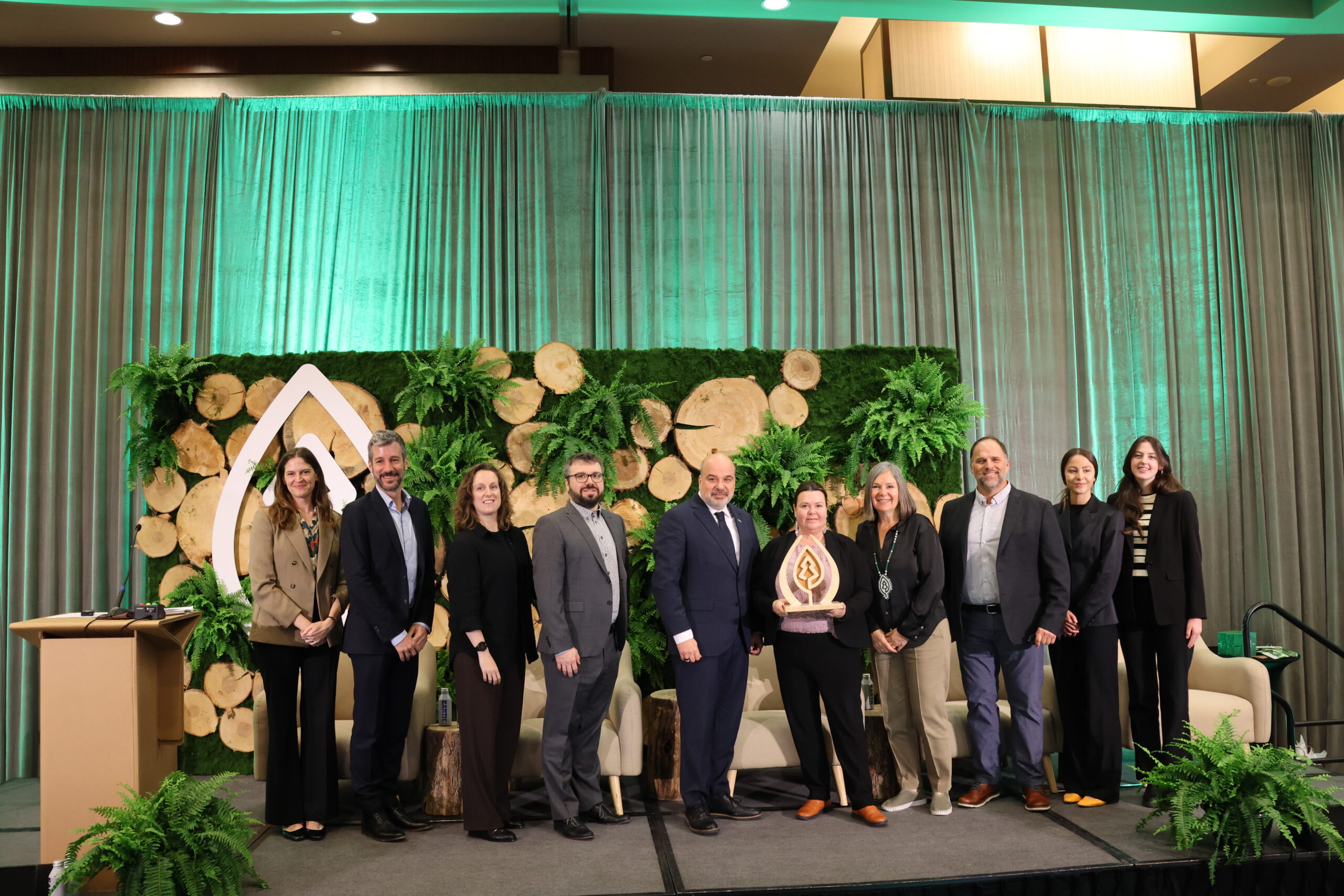
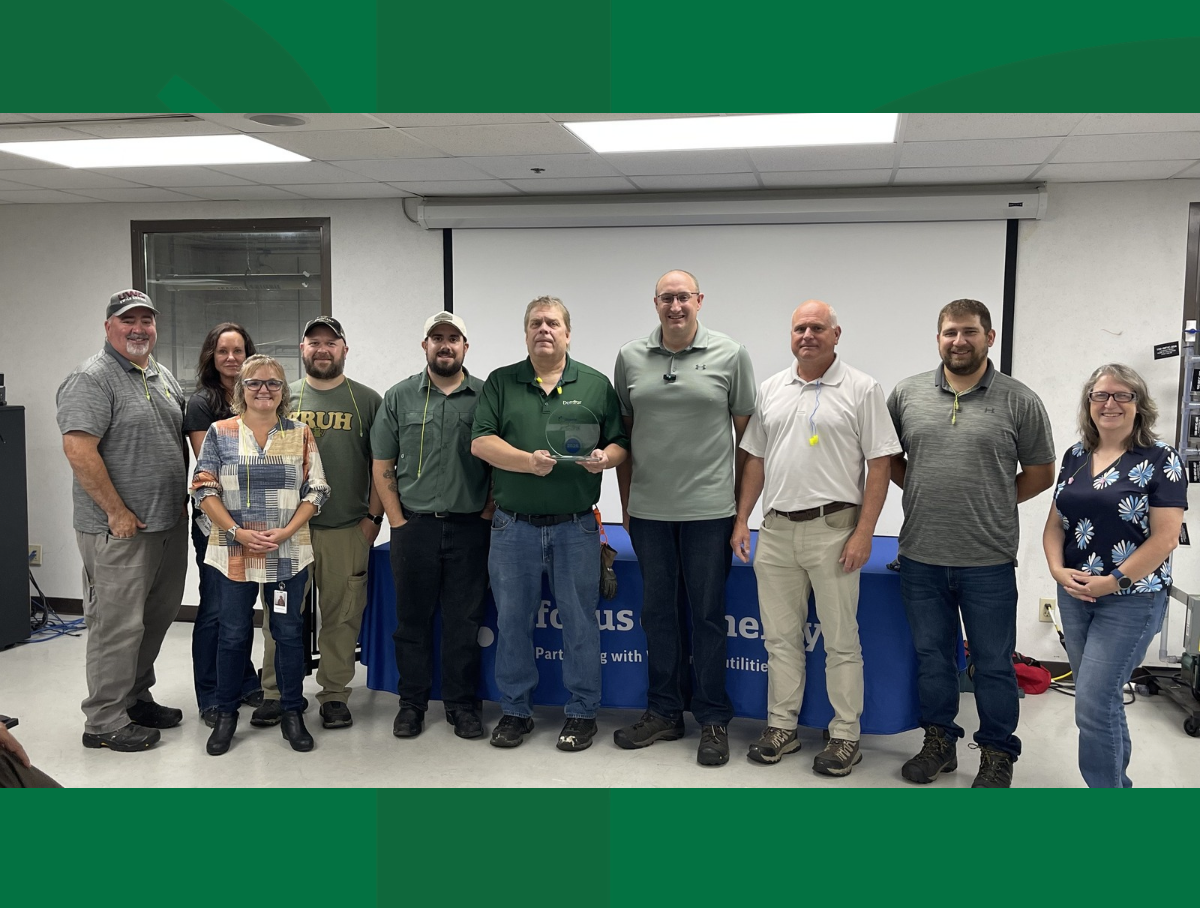
Our Hawesville Mill has put safety front and center. The 2025 Marty Barfield Memorial Award-winning facility was recognized for its substantial injury-prevention efforts, but it’s also gaining recognition for championing Domtar’s Health and Safety Strategy and Learning From Normal Work within the Paper and Packaging Business Unit.
“Hawesville Mill has really done a great body of work this year. They’ve executed against our overall strategy, and they're incorporating solutions that are more than just one-off initiatives,” says DeWayne Bone, senior director of Health and Safety for Domtar's Paper and Packaging Business Unit. “In many cases, they’ve created a standardized and easily repeated process that can be applied not only at Hawesville but also at other Domtar facilities.”
Award-Winning Approach to Safety
Hawesville Mill, located in Hawesville, Kentucky, earned Domtar’s Marty Barfield safety award for a project that addressed three key hazards in a common at-risk practice, or CARP.
Approximately once a week, oilers had to add oil to the kiln trunnion bearing, which sits atop a concrete base four feet above a raised platform. Prior to this project, the oiler had to use a portable ladder to access the bearing’s oil reservoir, placing the oiler near the rotating kiln and above the platform’s handrails.
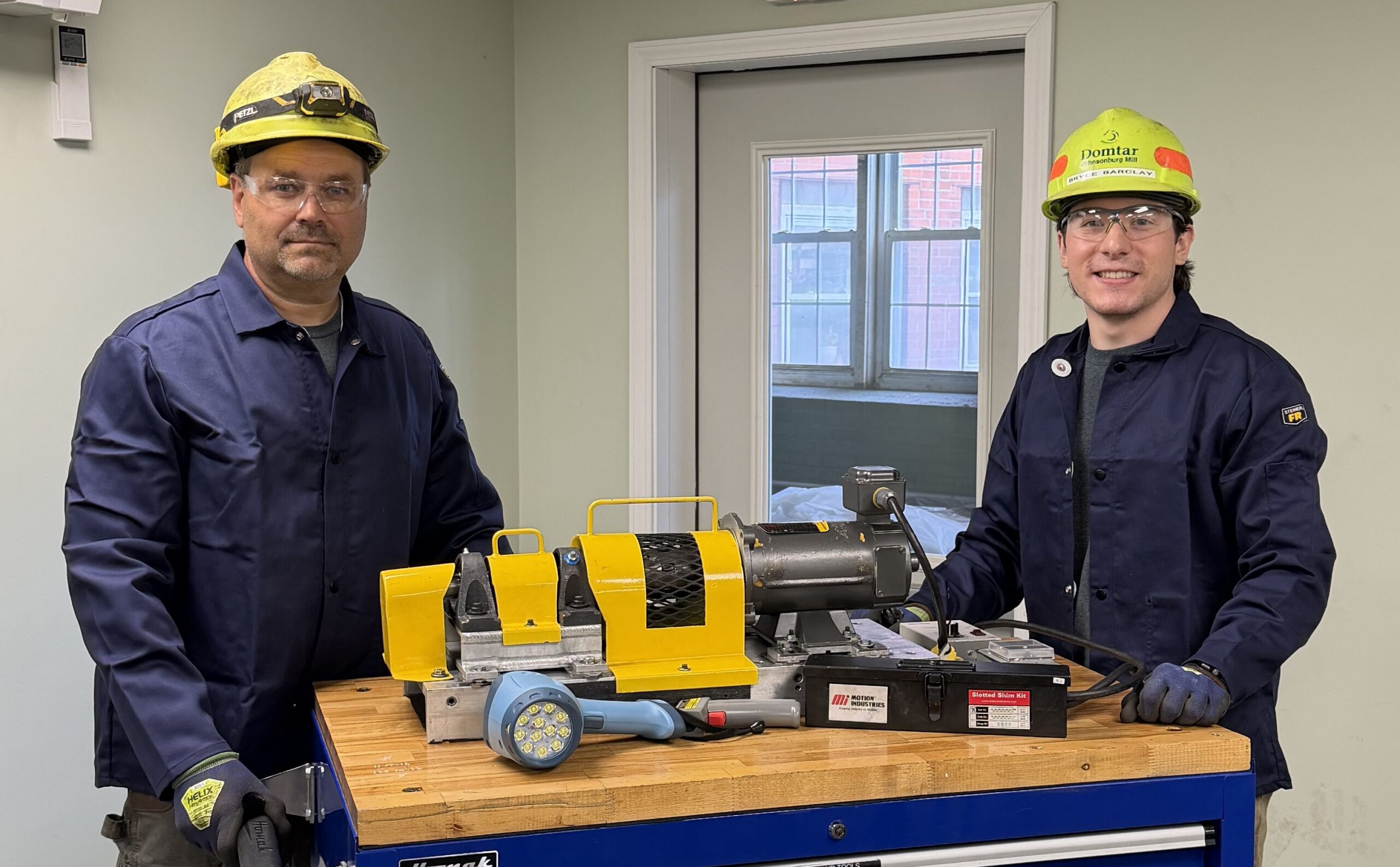
The team addressed those risks by adding a separate fill line from each of the four vent lines and extending tubing to the platform level so the oilers can pump oil into the reservoir without climbing onto the concrete base.
Eric Pulliam, mechanic; Bobby Bivens, recovery oiler; and Elijah Peters, recovery assistant superintendent, developed the solution and presented it to the leadership team, which named it the winning project based on the award criteria:
- Collaboration with the hourly workforce
- Cost
- Sustainability
- Applicability across the company
The solution addresses three key hazards in one simple solution: potential fall hazard, potential burn hazard due to proximity to the hot shell of the lime kiln and potential injury hazard due to proximity to the rotating lime kiln. It can easily be applied to every Domtar site that uses similar equipment.
Paul Bierley, senior manager, Health & Safety, in the Paper and Packaging Business Unit, administers the Marty Barfield award program.
“Safety is one of our core values, and it’s at the forefront of everything we do,” he says. “The award focuses on people identifying these CARPs and finding simple solutions that have a big safety impact. Hawesville’s project stood out for being an innovative solution that can be easily adopted at other mills.”
Creating a Culture of Safety
DeWayne says the award is just one piece of a bigger safety initiative at Domtar, which has adopted a new approach called Learning From Normal Work.
“Instead of being reactive after you’ve had a safety event, we wanted to move upstream to be more proactive and think about safety a little differently,” he explains. “Learning From Normal Work means understanding the inherent risks of the work we do and finding solutions to prevent safety events from happening in the first place. Hawesville Mill is doing an excellent job of that; in fact, they are leading the way among pulp and paper mills in our 2026 CARP Fishing Tournament, which is about not only identifying risk but also addressing it.”
As part of the new Health and Safety Strategy and safety branding called Safety Made Personal, Hawesville Mill hosted a two-week program that encouraged 80 mill supervisors and frontline leaders to shift from reactive risk monitoring to proactive risk reduction.
Murray Hewitt, general manager at Hawesville since 2021, says the workshop has been invaluable in training staff to identify and address CARPs.
“We’re resolving issues a lot faster today,” Murray says. “This idea of Learning From Normal Work has helped us identify more of these common risks that we’re exposed to every day. We’ve also earmarked money for our safety committees so that they can quickly resolve CARPS that our hourly employees are most passionate about.”
At Hawesville Mill, there are now four distinct safety committees, which represent every part of the business.
- The Joint Health and Safety Committee leads Hawesville’s safety activities and helps subcommittees prioritize risk-reduction projects.
- The BPM Safety Committee, led by Joint Health and Safety Committee members Derek Pritchard (chemical unloader) and Byron Dowell (fiberline assistant superintendent), assesses and addresses risks in the mill’s fiberline and recovery areas.
- The FPM Safety Committee, led by Joint Health and Safety Committee members Bryan Horsely (H1 operator) and Jeremy McReynolds (H2 assistant superintendent), assesses and addresses risks in the mill’s two paper machines, wrap line, chemical prep and shipping areas.
- The Maintenance Safety Committee, led by Joint Health and Safety Committee members Paul Jordan (mechanic) and Justin Gay (fiberline E/I supervisor), manages tasks and equipment associated with the mill’s Maintenance Team.
Joint Health and Safety Committee member Jeff Durbin, who serves as Hawesville’s environmental, health and safety manager, attended the two-week workshop and a six-month safety practitioner course, and now he regularly holds safety workshops for mill employees.
“We’re about halfway through training our 360 hourly employees,” he says. “This ‘trap-spotting’ training, led by Tyler Green and Chase Robinson, teaches our folks not only to recognize hazards but also integrate this process into our pre-task risk assessment, which we perform for high-risk jobs or tasks that are new or not done often. That helps us identify potential hazards and/or error traps that can be addressed before work is started.”
Jeff says the training and additional budget is paying off, with multiple CARPs identified and corrected, including:
- Improved lighting over the BPM propane station
- Sample boxes to prevent chemical splashes
- Industrial fans to improve airflow during thread ups on the H1 and H2 machines
- Actuated valves to replace manual valves in high-risk areas
- Stairs to allow safe access to the pumps at the landfill
“The exciting thing for me is that this concept of CARPs is catching on as we’re doing the Learning From Normal Work training,” Jeff says, noting that Mark Jackson, union safety leader, has been instrumental in recruiting for the safety committees and championing the idea of Learning From Normal Work. “With the new safety committee budgets, our staff are empowered to not only identify the risk but actually propose solutions and see those solutions put into practice.”
Learning From Normal Work Benefits Everyone
Paul, who sits on the board of the Paper and Packaging Safety Association along with DeWayne Bone, says being proactive about risk is actually preventing significant injuries or fatalities before they happen, rather than addressing risk after the fact.
“You can learn the majority of what you need to know about safety by analyzing and understanding what your folks do every day,” Paul says. “That’s what Learning From Normal Work does. And Hawesville Mill is a trailblazer in this area, with practical, real-world solutions that will help reduce risk not only at Domtar facilities but potentially at other companies in our industry.”
DeWayne agrees. “Everyday work doesn’t always go perfectly, but even if it doesn’t end in an injury, we can still learn a lot from it,” he says. “Every lesson matters when it comes to safety.”