

Summary
Water is essential to making pulp and paper. Domtar's Water Reduction Capex Fund sets aside a portion of capital spending solely for projects that help conserve water. Domtar's mill teams submit competing proposals, and since 2023, the company has saved 2.3 billion gallons of water per year through the program.
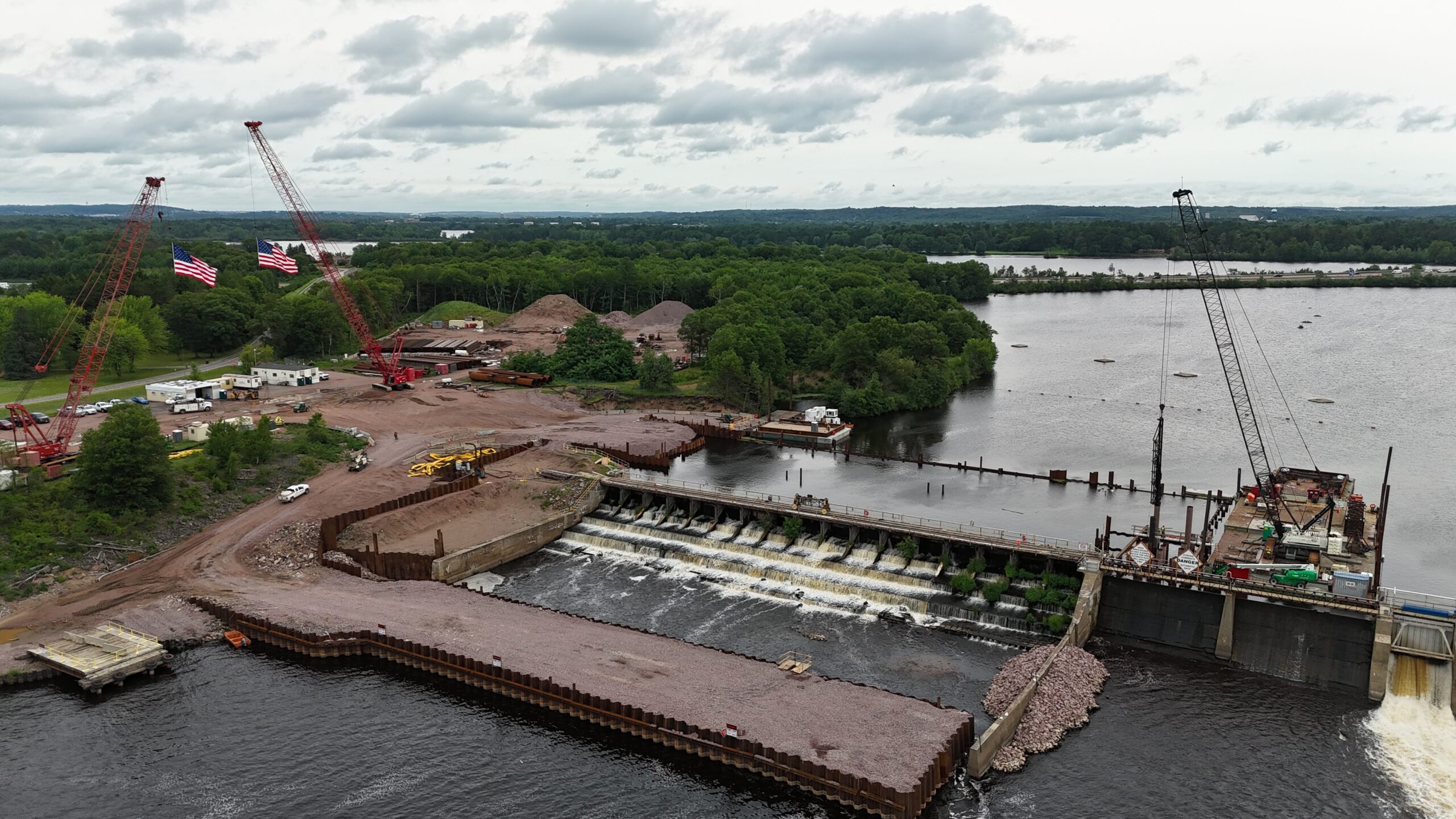
Since 2023, employee-led projects at ten Domtar mills have reduced the company’s water use by more than 2.3 billion gallons a year — enough to fill 3,480 Olympic-sized swimming pools. Twenty-four projects, designed and driven by the people who know the mills best, are helping Domtar’s paper and packaging mills reach the company’s water target: a 20% reduction in water-use intensity by 2030, compared to 2020 levels.
A Fund With One Goal
The program works like a competition. Through the Water Reduction Capex Fund, Domtar sets aside a portion of capital spending solely for water-reduction projects, and mill teams submit proposals for a share of it. There’s one unusual rule.
“The projects didn’t need to provide a financial return. The priority was saving water,” says Brian Kozlowski, senior director of environment and sustainability for Domtar’s Paper and Packaging business unit. “That gave our employees the chance to think beyond the bottom line — and they really did.”
Ideas From the Mill Floor
The best water-saving ideas didn’t come from headquarters. They came from operators, engineers and maintenance teams who saw where water could work harder — often in places most people never think about.
Some projects put used water back to work. When a new sheet of paper is made, the water that drains away (papermakers call it white water, because it’s cloudy with wood fiber) can be captured and put back to use instead of being replaced with fresh water. The same goes for cooling water, which carries heat away from equipment: instead of running it through once and letting it go, teams rerouted it to cooling towers, where it sheds its heat and goes back to work again.
Other projects stop the draw before it starts. Many industrial pumps run a constant trickle of water (called “seal water”) to keep their moving parts cool and sealed tight. A trickle sounds small, but run it around the clock across hundreds of pumps and it adds up to millions of gallons; swapping older-style pump packing for modern mechanical seals cuts that trickle to nearly nothing. Flow regulators help deliver only the water the job actually needs. And converting open-loop cooling — where water passes through once and leaves — to closed-loop systems that recirculate the same water can eliminate that demand entirely.
The first year of the competition alone produced ten projects at seven mills, saving more than 1 billion gallons annually. The program has since grown to 24 completed projects at ten mills — and the healthy competition between mills that leaders hoped for is real. This spring, Domtar’s Nekoosa Mill in Wisconsin earned the company’s internal Water Reduction Award for a series of conservation initiatives projected to save more than 129 million gallons.
The results are showing up on the company scoreboard. According to Domtar’s Q2 2026 sustainability strategy update, the Water Reduction Capex Fund has now completed its third year of projects, and water use across the Paper & Packaging business unit is down 10% from 2020 levels through the first quarter of 2026, halfway to the 2030 target.
Why Water Resilience Matters
Water is essential to making pulp and paper, and Domtar’s mills already work to make every gallon count. Water is reused as much as possible inside the mill, and approximately 94% of what a mill takes in is treated and returned to the environment. The small remainder leaves in the product itself or as evaporation.
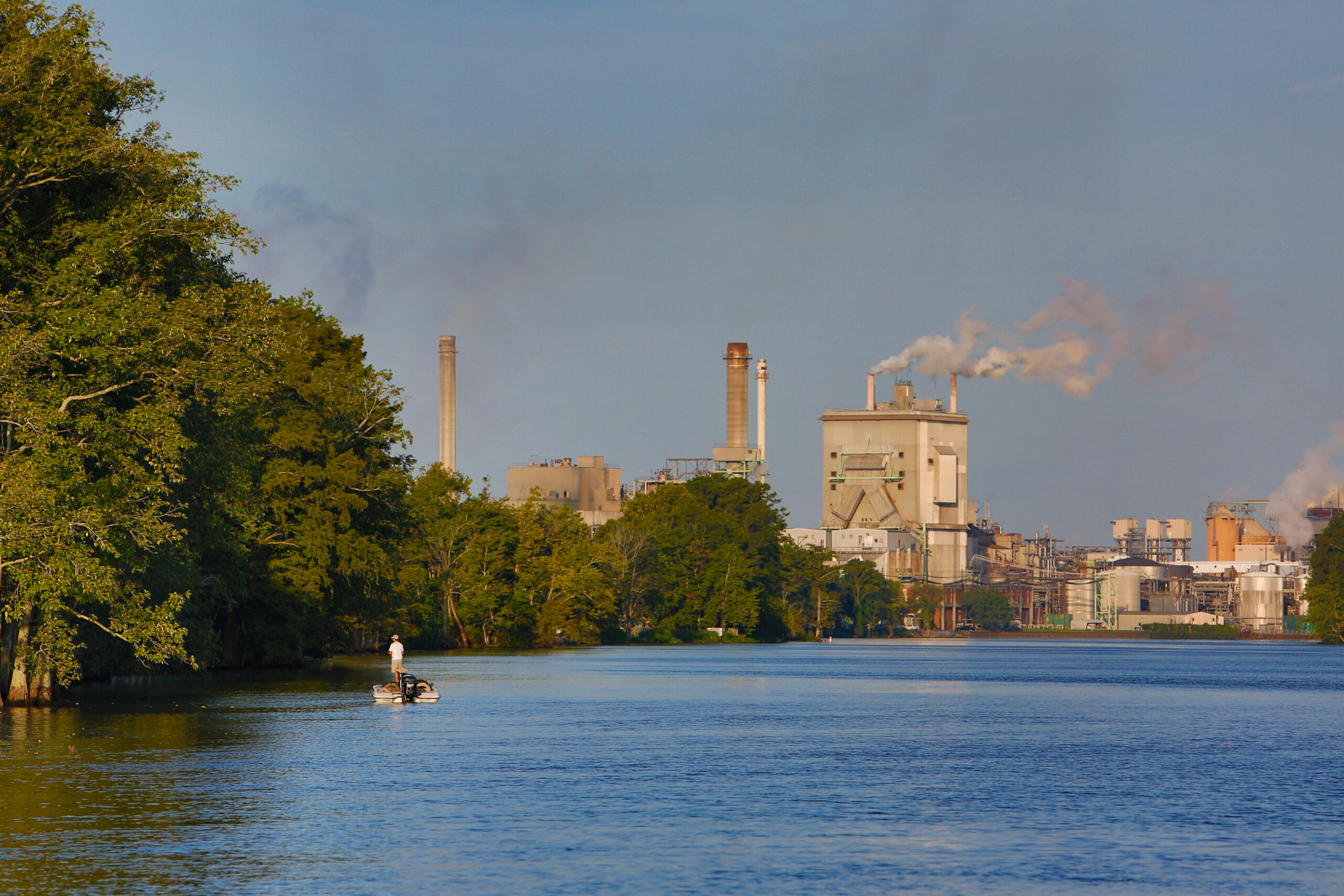
But a mill doesn’t own the river it draws from — it shares it, and climate change is making rivers less predictable. Our Plymouth Mill in eastern North Carolina saw what that means up close. The mill draws fresh water from the Roanoke River near the coast, where the river’s own flow is what holds back the salt water of the Albemarle Sound. During the droughts of 2022 and 2023, the river ran low enough that the salt front — what engineers call the saltwater wedge — pushed upstream to within a quarter mile of the mill’s water intake. Salt water can’t be used to make pulp and paper, and everyone upstream who depends on the river’s fresh water faces the same line. Every gallon the mill doesn’t take leaves more fresh water in the river to hold it.
That’s what water resilience means in practice, and it’s why building it is one of the four environmental commitments in our 2030 Sustainability Strategy, alongside responsible sourcing, protecting critical habitats and reducing greenhouse gas emissions.
Recognition That Belongs to the Teams
The program earned the American Forest & Paper Association’s Leadership in Sustainability – Water Management award in 2024. That’s industry recognition for an idea that started with employees and a fund that asked for nothing back but water. Read more about our water work in our 2025 sustainability report, Advancing Our Sustainability Journey.
We are the fiber for the future.