

Summary
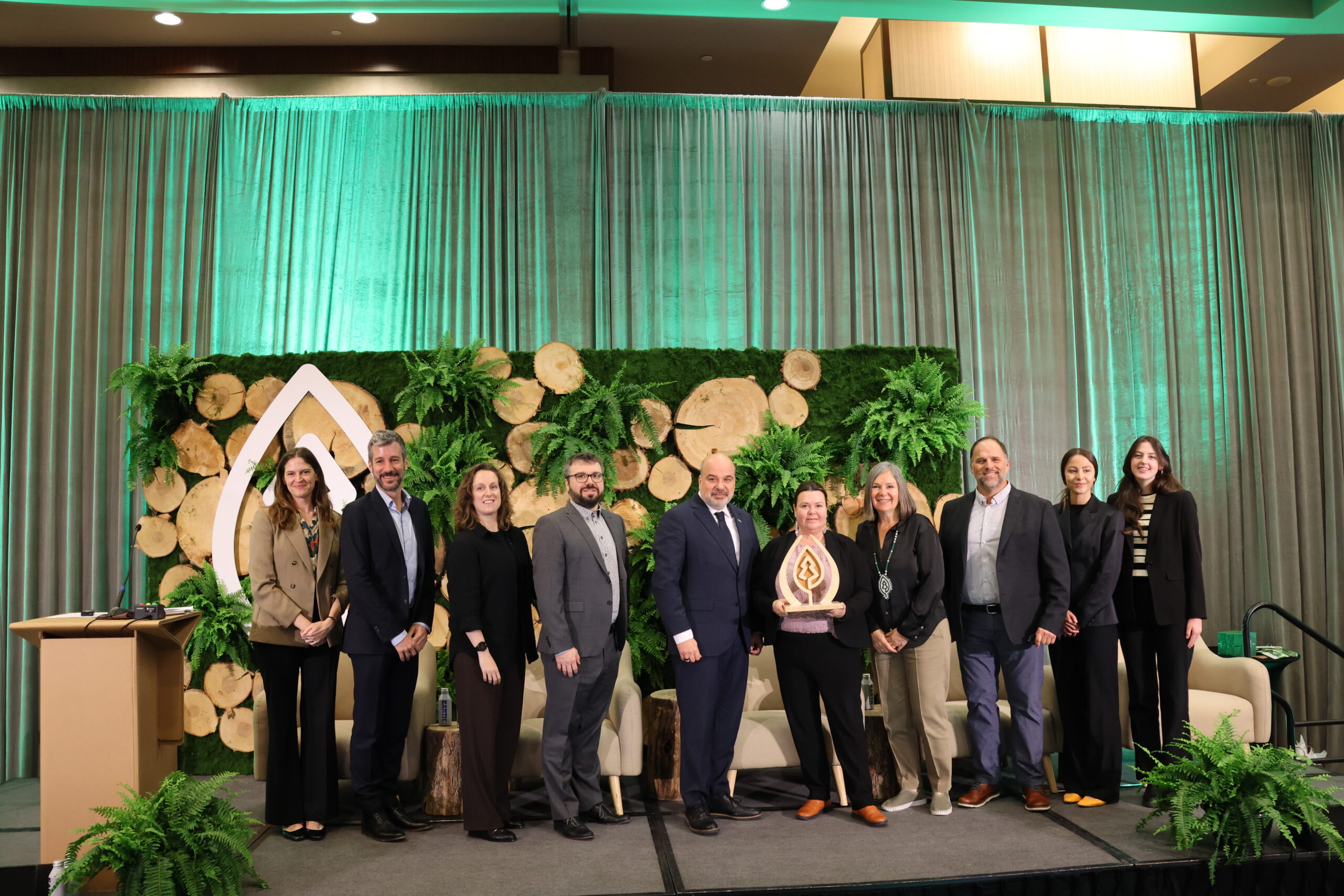
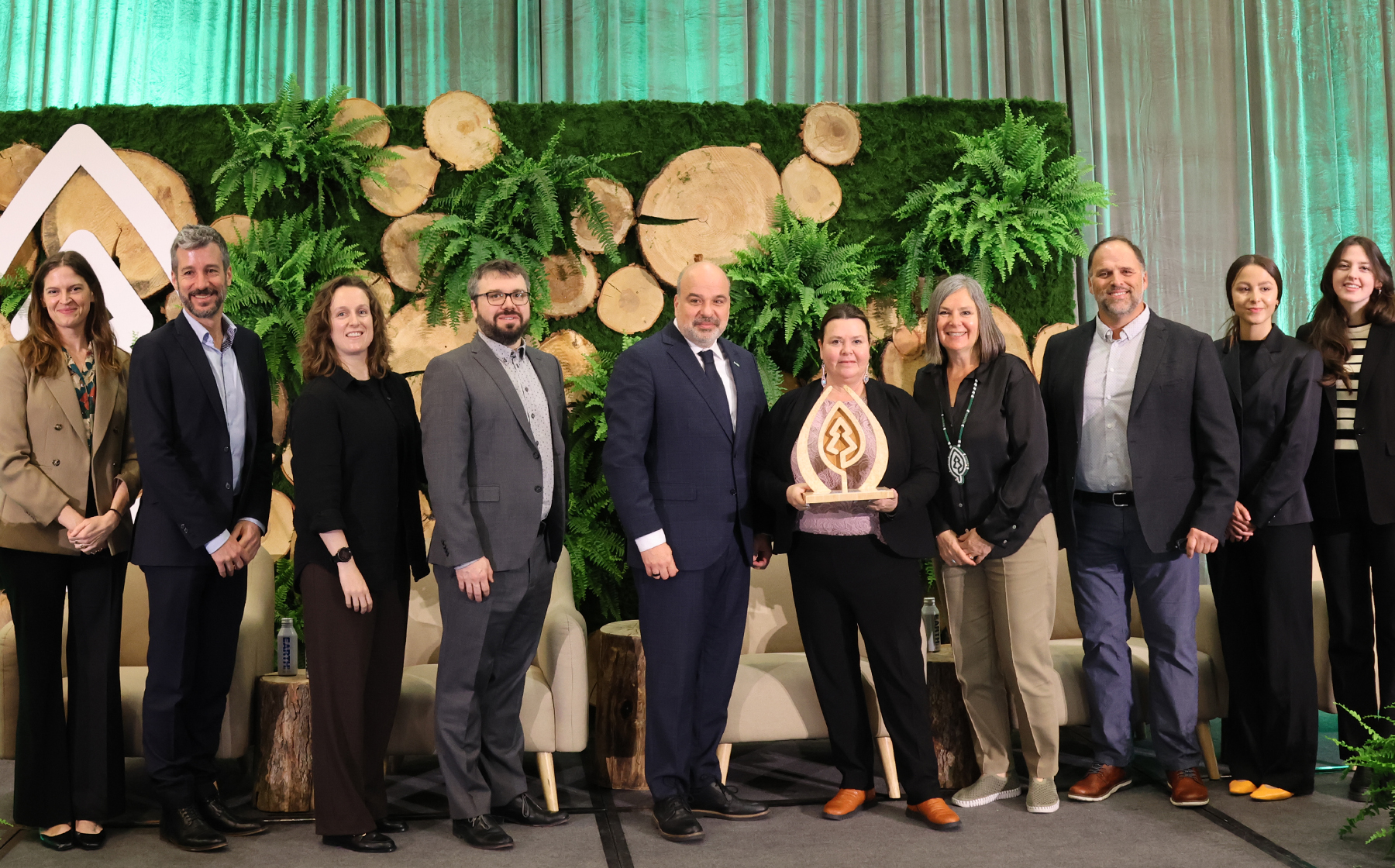
Domtar has been named as the winner of the Sustainable Forestry Initiative (SFI)’s Leadership in Conservation Award. The company was recognized for its:
• Engagement with SFI's Climate Smart Forestry Initiative
• Contributions to field-level research
• Governance
• Regional leadership
• Ongoing conservation projects
Learn about the award and hear from two Domtar colleagues whose work helped make it possible.
Domtar is proud to announce that it has been selected as the winner of the Sustainable Forestry Initiative (SFI)’s Leadership in Conservation Award. Since 2007, this annual award has recognized an SFI Certified organization, a team of partners or a research- or conservation-related individual for outstanding conservation achievements and innovation.
“Domtar exemplifies the type of leadership that is helping shape the future of conservation in North American forests,” says Lauren T. Cooper, chief conservation officer at SFI. “Their dedication to conservation spans partnerships with researchers, field implementation and regional collaboration. In these ways, Domtar continues to play a key role in helping SFI bring our conservation vision to life.”
Specifically, the Leadership in Conservation Award recognizes Domtar’s:
- Deep and sustained engagement with SFI's Climate Smart Forestry Initiative
- Contributions to field-level research
- Regional leadership
- Specific conservation projects with other certified organizations related to habitat and biodiversity
“Forest certification is of significant importance to us. It supports Domtar’s commitment to operational excellence because our team’s forest management practices that take place each day are verified through government oversight and independent third parties like SFI,” says Étienne Vézina, vice president of forestry at Domtar. “That external validation helps ensure we meet certification standards and stay at the forefront of what forestry will look like tomorrow.”
SFI is an independent, globally recognized certification framework, providing Domtar’s customers with the assurance that the company adheres to rigorous responsible forest management and chain of custody standards. To be certified, SFI program participants must undergo rigorous third‑party audits conducted by accredited, independent certification bodies.
What Conservation Looks Like at Domtar
Domtar’s sustainability and conservation efforts wouldn’t be as effective without many dedicated team members working in and near the public and private forests where we source our fiber.
“Our leadership defines ambitious sustainability goals, but real impact happens in the forest, where our field teams advance climate-smart practices and protect biodiversity every day,” says Samuel Bourque, certification manager at Domtar.
Recently, we sat down with two Domtar colleagues to learn more about the work they do and how it contributes to Domtar’s Sustainability Strategy and conservation leadership.
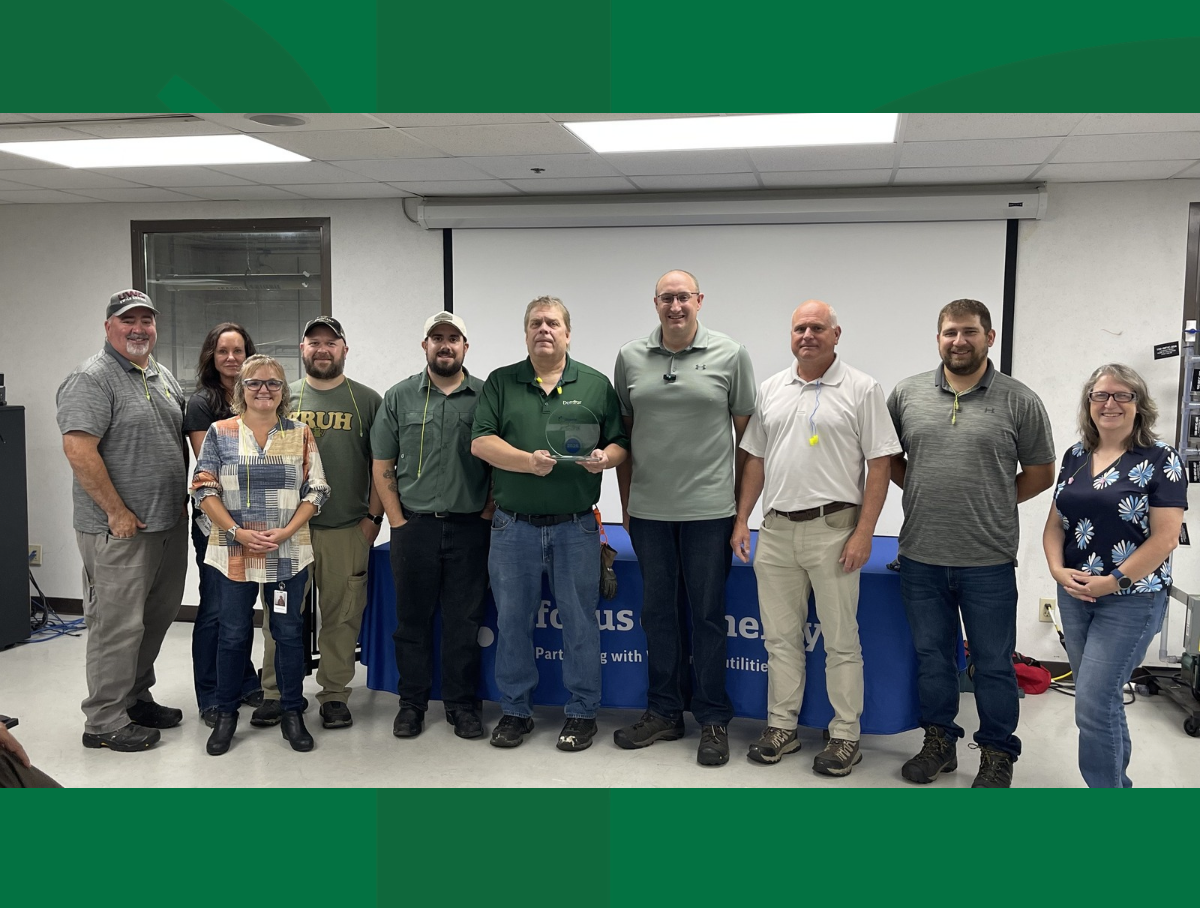
Chuck Daniels is a long-time procurement forester at our Plymouth Mill, having joined Domtar in 2008; he also is a private landowner who grows timber. Working on both sides of the procurement process has given Chuck a unique perspective on how to balance the needs of the business with the needs of private landowners, who supply roughly 80 percent of Plymouth Mill’s raw materials.
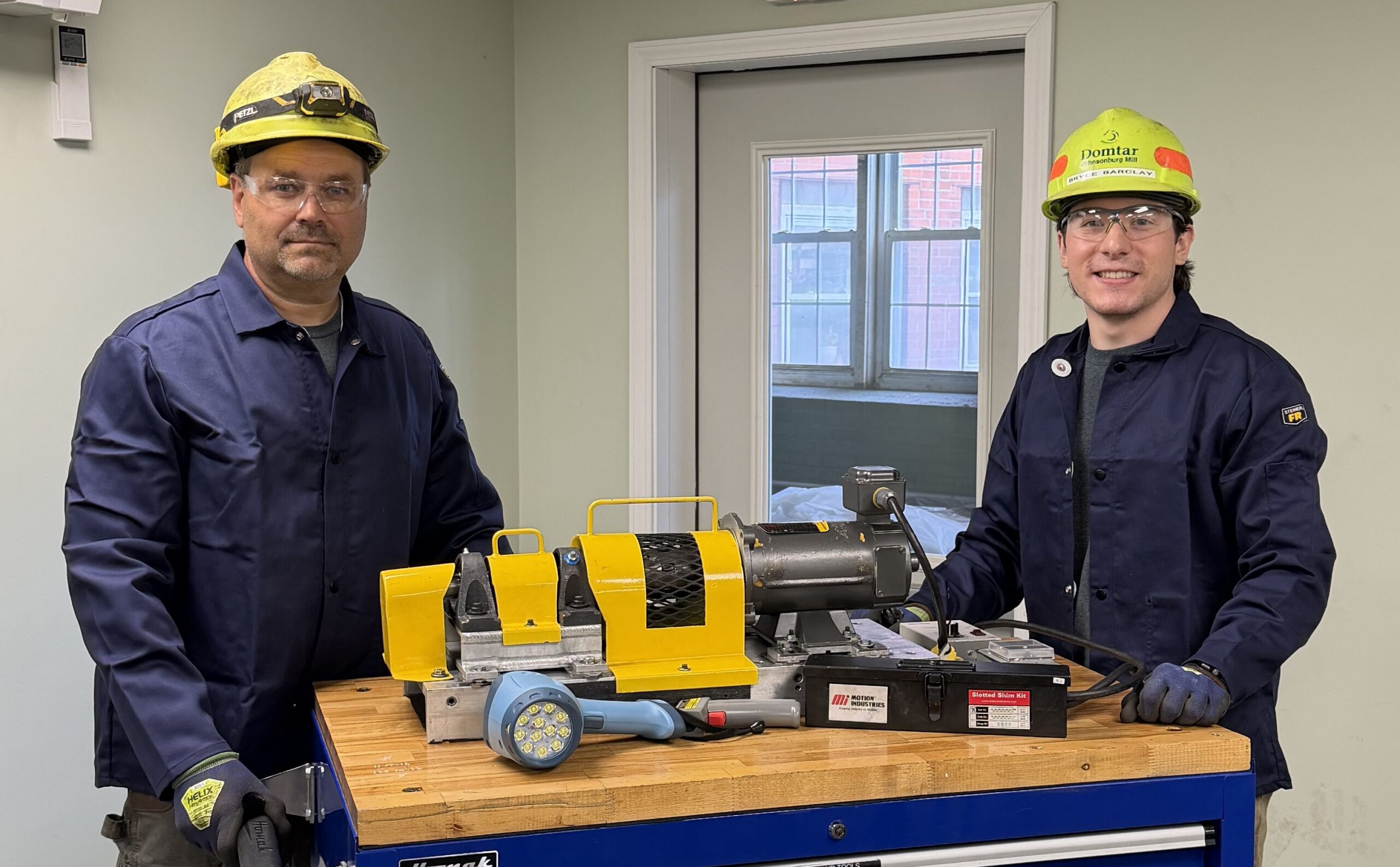
Véronique Lemay-Désy, ing.f., is Domtar’s forestry operations superintendent for the Mistassini region in Quebec, Canada. This vast stretch of publicly owned Canadian land is a boreal forest ecosystem in which Domtar has harvesting rights. Véronique, who joined the company in 2020, focuses on meeting government regulations and certification standards like SFI to responsibly harvest trees for use in our sawmills.
We asked Chuck and Veronique to reflect on Domtar’s sustainability leadership and its conservation work on private and public lands.
It can be challenging to balance conservation with the needs of the business and the people who manage the land, whether it’s the government or private landowners. What are the most important factors that impact the work you do?
Véronique: The most important factor is what the company values. For Domtar, our priority is the health of our workers and respect for the environment. We also must follow government regulations. That means we do things the right way, even if sometimes it means it will cost a little bit more. When you are on the ground in the forest, you have to be imaginative and creative to find the right ways to do those things and remain economically viable.
Chuck: If there are no markets for private landowners to sell to, then there is no incentive for them to manage for wood production. Some companies and landowners think they have to choose between managing for wood or wildlife,water and air quality. But we believe they are all complementary goals. If your goal is responsibly managed wood production, then you will benefit all those other things.
What does it mean to you to see Domtar earn the SFI Leadership in Conservation Award in recognition for its environmental commitments?
Véronique: This is our day-to-day job. It impacts every aspect of our operation. My team works on a small parcel, so sometimes we don’t realize that everything we do is making a difference. The effort that we put into conservation is part of our culture. It’s routine. But we’re actually doing something really great, and I don’t think we talk about that enough because we’re just doing our job. So, it’s very gratifying to know that we’re all being recognized for our conservation work.
Chuck: In today’s business world, too many companies get tied up in dollars and short-term thinking. The wood industry requires long-term thinking. When you depend on natural resources, you must invest in sustainability with an eye toward the long term. At Domtar, it’s just become part of what we do from day to day. We all work with the long-term sustainability of our business and our industry in mind. A conservation award like this is a great way to recognize that.
What are you most proud of in your work with Domtar?
Véronique: Being in operations means there are two teams that get the work done. There’s the management team that is engaged at the higher level, but then there is a team on the ground. They are the first line of communication with the various people who have an interest in what’s happening on the land. It’s not easy to work in the forest. You must adapt to changing conditions, and along the way, you’re protecting the streams, the rivers, the wildlife. But we are all proud to protect the forests. And I feel like I’m empowered to make the decisions that are best for the forest, even if it costs a little more or takes a little more time.
Chuck: Some may think that as a big company Domtar wouldn’t have personal connections with landowners. But we care a lot about our landowners, and we do a lot of outreach to educate them and ensure that they are protecting their land while also being able to make a living from their work. That interaction is so important to me because the enemy of the sustainability of our forest land is the conversion of that land to other uses. Landowners need to understand the benefits of keeping their land in production. I’m retiring this spring, and we have people lined up to take over the outreach and education work that I’ve been doing. But I’ll continue to be a landowner who cares about this industry, and I’ll be ready to help other landowners as needed.