

Summary
From pulp and paper products you may use every day to the lumber that could have built your home, Domtar products are made at operations across North America, by people who live and work in local communities.
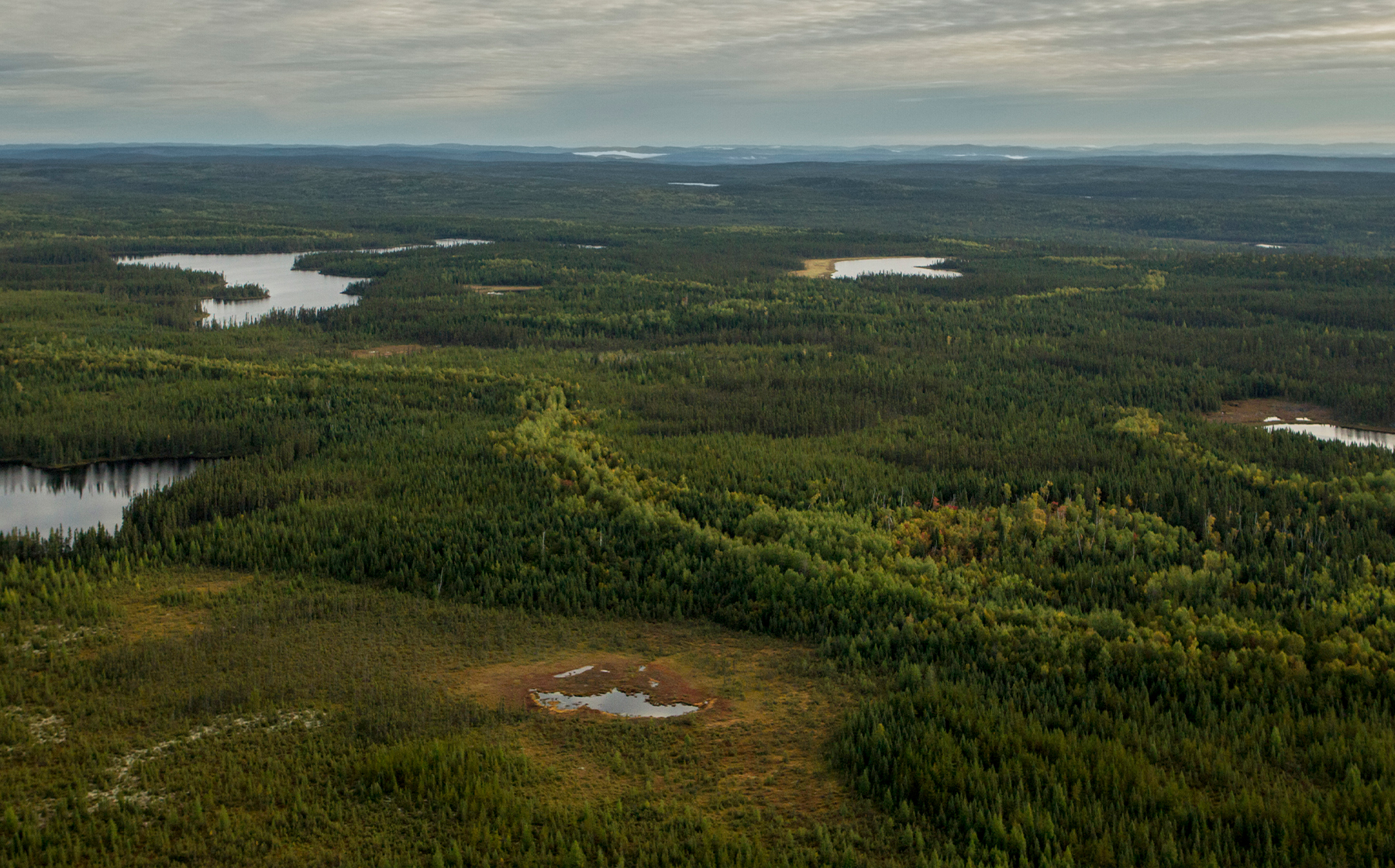
Domtar has been a vital part of communities across North America for more than 200 years. Every day, in the United States and Canada, the life cycle of Domtar products begins in responsibly managed forests.
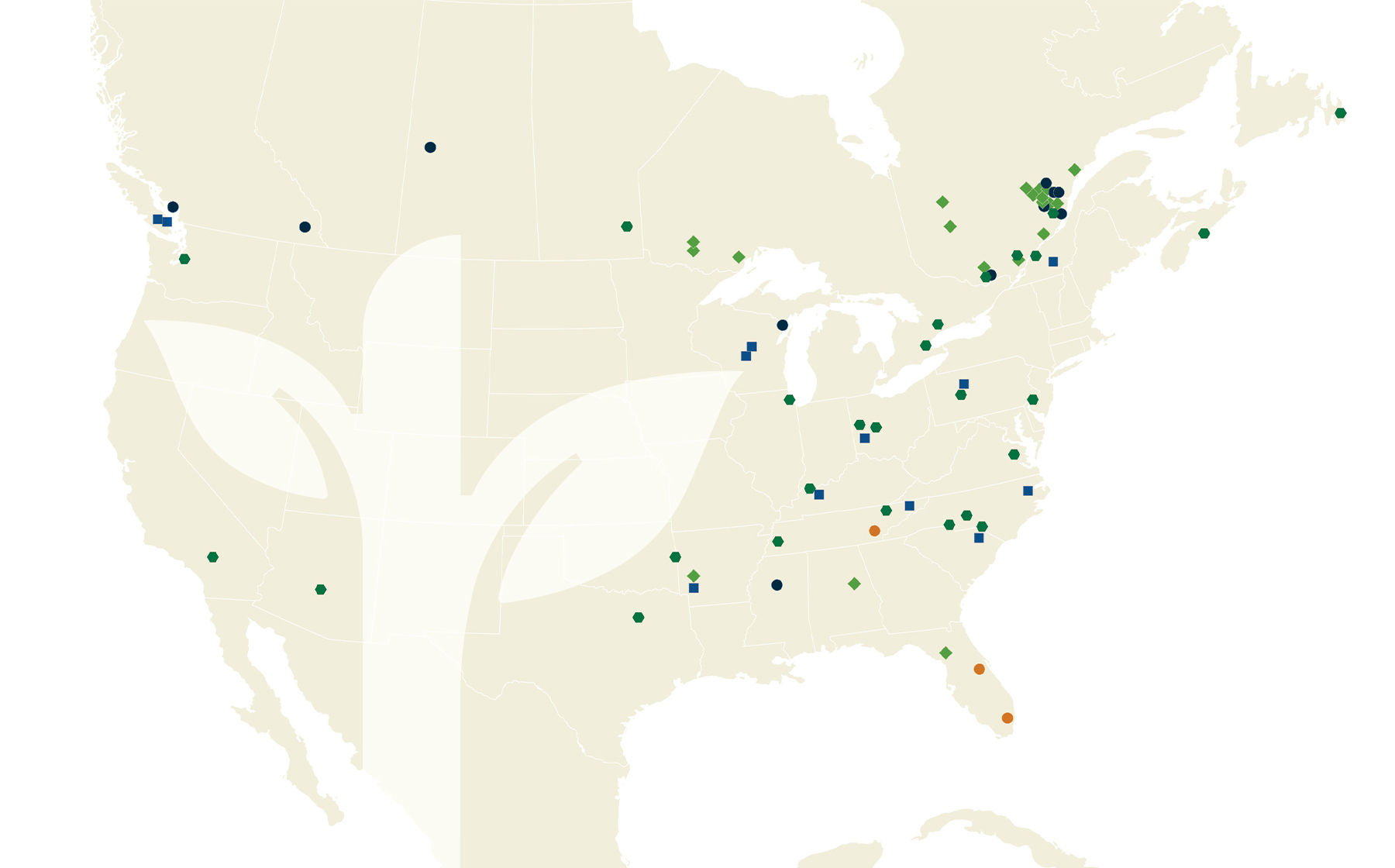
Where are Domtar products made?
All our pulp, paper, tissue and packaging manufacturing facilities as well as our sawmills and converting plants are in the United States and Canada. That's about 60 facilities and around 13,000 employees. The wood fiber comes from North American forests, and all of it is sourced to objective third-party certification standards. In addition to the North American marketplace, we sell our products around the globe.
What everyday products does Domtar make?
It’s very likely you have used at least one Domtar product this week.
- Paper. Office papers. Book papers. Newsprint. Food packaging. The paper used in magazines and catalogs. Paper used to make envelopes, bags, labels and checks, and paper used for commercial and digital printing.
The receipt in your pocket may also be made by Domtar. We're North America's leading producer of receipt paper. We’re also the first to introduce Clarion™, a phenol-free thermal paper option that looks and performs the same as standard point of sale (POS) paper, and is manufactured without BPA or BPS. Clarion™ is also certified recyclable.
- Tissue. Bath tissue, paper towels and facial tissue, marketed under the store brands of large national retailers and under our own brands. We also produce the towels and market Revo™ dispensers you see in offices, schools and restaurants.
- Wood. Domtar makes framing lumber, decking and remanufactured wood products like I-joists for homebuilders and renovators, and wood bed frames. The wood in a typical North American house stores about 22 metric tons of carbon dioxide for as long as the house stands. We also make wood pellets, a heating fuel made from sawmill residues.
- Packaging. Domtar makes containerboard medium and linerboard made from 100% recycled fiber. Independent corrugated converters turn these products into shipping boxes that show up at your door.
- Pulp. Pulp is the raw material for numerous absorbent products, from baby diapers and adult incontinence products to pet pads, paper towels, toilet paper, feminine hygiene products and more.
Together, that amounts to roughly 6.8 million metric tons of pulp, paper, packaging and tissue annually, and about 2.6 billion board feet of lumber and wood products.
How does making things here support communities?
The most direct impact is wages and benefits received by employees, contractors and others in the supply chain. The company also pays taxes, supporting schools, municipal services and other essential infrastructure. Many of our manufacturing facilities are the largest or among the largest local employers. It's common to meet people whose parents, grandparents or neighbors worked at the same plant.
The second contribution is the activity around the mill. Loggers, landowners, truckers, equipment dealers and local suppliers all rely on mill purchasing goods and materials. Mills and sawmills, and their employees, also infuse cash back into their surrounding communities by supporting local businesses such as restaurants, retailers, and more.
The third contribution is what we give back. In 2025, Domtar contributed $3.7 million to community causes, including academic contributions.
In some communities, our facilities also produce power using residuals from the production process. This means our work, in many places, helps keep the lights on.
Why it matters to the people who buy from us
Making things in North America means shorter distances, steadier supply, and products made under the rigorous environmental and labor protections of Canada and the United States.
Visit Domtar.com to learn more about Domtar products and the people who make them, and follow us on LinkedIn and Facebook.