

JP Gladu combines 35 years of experience in the natural resource sector with a commitment to create innovative partnerships and solutions to reveal equitable opportunities for Indigenous and non-Indigenous business communities. As a result, he is a trusted advisor for Domtar.
He is a member of Domtar’s newly formed External Sustainability Advisory Committee and as principal owner of Mokwateh consultancy, he provided a third-party Indigenous review of the company’s new Global Indigenous Relations Policy. With this in mind, we asked him to share his thoughts on what’s next for Indigenous partnerships in Canada.
Q: How did you get your start in forestry? What brought you to the industry?
Forestry is in my blood. My dad was a logger, his dad was a logger and I spent a lot of time in the bush growing up. I actually grew up off reserve, which was a result of historical circumstances. In 1958, our community was burned to the ground by the provincial government to make way for a provincial park, as a result, many families — including mine — had to relocate.
Growing up off reserve shaped my perspective; I always knew I was First Nation, but I didn’t have the same daily connection to community life that others did. Instead, I found my connection to my heritage through time spent on the land and in the forest, often hunting and fishing with other community members.
I originally wanted to be a conservation officer, so I went to forest tech school in Sault Ste. Marie, Ontario. My first job was helping with First Nation community forests across Ontario. The enthusiasm and togetherness I felt at those on-reserve community forest meetings helped me realize that my passion was for working with our people and supporting Indigenous communities, rather than chasing corporate titles.
Q: Many Domtar employees and customers aren’t aware of the company’s Indigenous relations work. Can you give an example of Domtar raising the bar for Indigenous Relations?
One of the best examples comes from the Lake Nipigon forest and the relationships that grew out of that work. Before 2008, First Nations had almost no management control over forests in our own backyards. We were constantly fighting for access to wood and opportunities to harvest, which created tension with industry. Then the sector hit a downturn in 2008, and everything changed. Domtar, government representatives and our First Nations sat down together, and we negotiated 100 percent management control of the Lake Nipigon forest. That was a turning point. It showed what true Indigenous partnerships could look like.
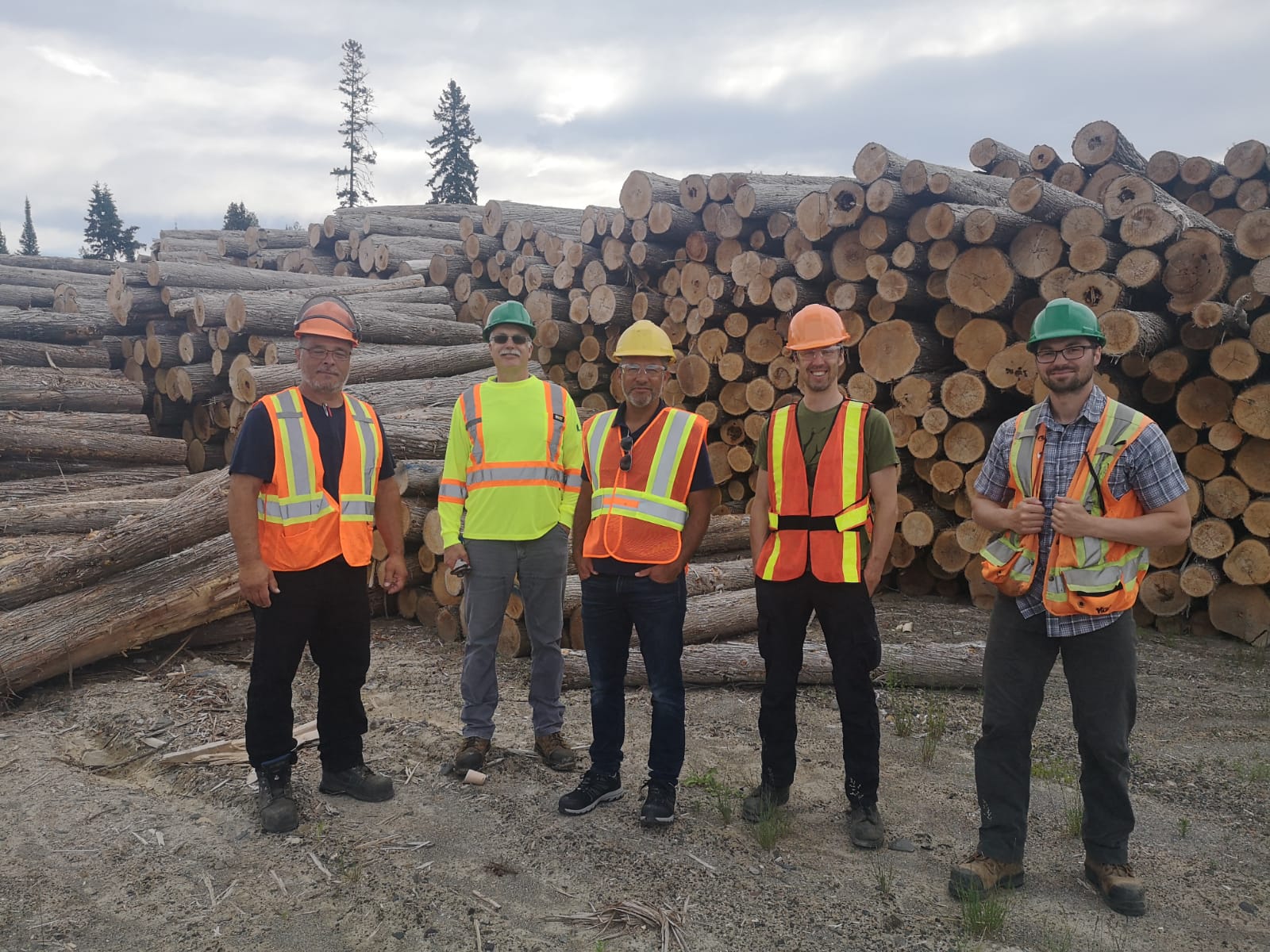
Even after gaining control, we didn’t have a sawmills or processing facility until 2012, so we maintained strong relationships with companies like Domtar to deliver wood. It became a symbiotic relationship: Domtar needed fiber for its mills, and we needed markets for our wood. Over time, that collaboration evolved into something much deeper: shared problem-solving and mutual respect. Today, we are supplied with oversized trees and Domtar purchases our dimensional wood for final processing and markets. With the capacity of about a truck a day, we employ four sawmill workers and a manager.
There’s also a personal story that illustrates this evolution. My dad worked as a logger and truck driver years ago, and his boss in the bush was Tom Ratz. Back then, my dad was a bullheaded First Nation guy that was a high production operator, and he and Tom sometimes butted heads. Fast forward to today. My dad is the Chief of Bingwi Neyaashi Anishinaabek (Sand Point First Nation), and Tom, until he recently retired, was Chief Forester for Ontario within Domtar. They are still working together. That change underscores why respectful, long-term relationships matter. In forestry communities, roles change, but the connections remain. Domtar’s willingness to adapt, listen and work alongside Indigenous leadership is what raising the bar looks like. Tom, my dad and I have plans to go fishing together this summer. We’ve also had Lana Wilhelm, Director of Indigenous Relations spend time in our community on the land. I can’t stress enough, the importance of industry partners spending time in community, it’s the relationships that count.
Q: What do you see as the next evolution for Indigenous partnerships in the forest sector?
The sector needs to think differently and invest in Indigenous business infrastructure, especially in northern communities. It’s not enough to offer jobs; companies should support Indigenous-owned businesses, like trucking or harvesting companies, that build local capacity.
In northern communities, non-Indigenous forestry operators are retiring, and often, the next generation doesn’t want to inherit the business and sometimes leaves the community altogether. Indigenous people — who’ve lived there since time immemorial — are the ones who remain. As a generation retires and banks become more hesitant to finance forestry operations, Indigenous communities are stepping up to fill those gaps.
By investing in Indigenous business infrastructure and supporting Indigenous-owned companies, the forest industry can build local capacity, strengthen the supply chain and ensure a stable workforce. The more capacity Indigenous communities have, the more certainty we generate for the sector. Supporting Indigenous involvement isn’t just the right thing to do; it’s essential for the future of Canada’s forest industry.
Q: With this in mind, how can a company position themselves well through Indigenous partnerships to face the challenges in our sector?
Whether it’s a small local partnership that will create a handful of jobs or millions of dollars in infrastructure spending, you need to start at the same place.
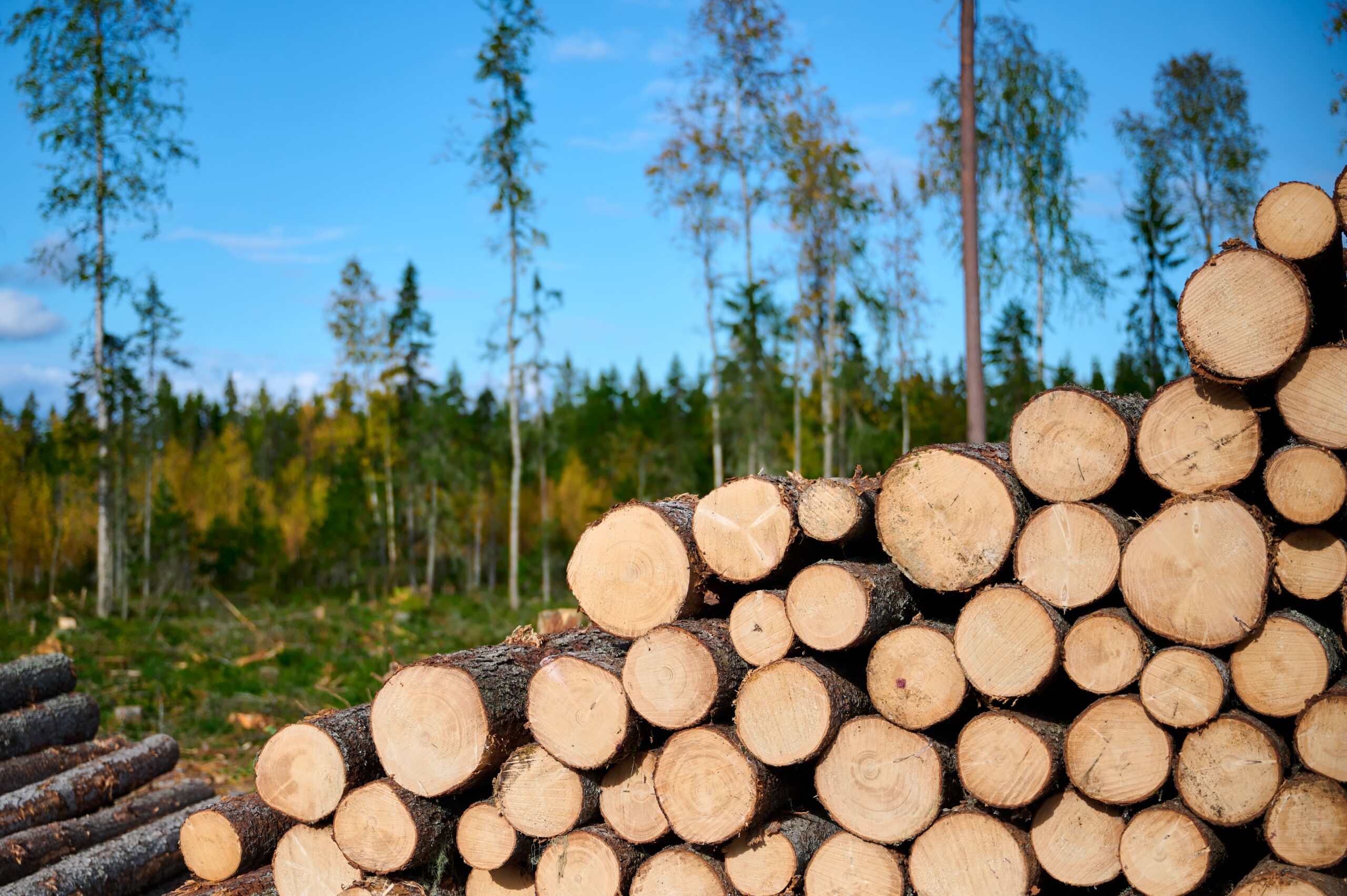
One of the most important lessons I learned early in my forestry career was about grading trees. When I was at Sault College, we were taught to assess trees for their value — whether they were prime lumber, mixed or just pulp and firewood. During one exercise, our instructor asked us to grade a yellow birch. Most of us called out our guesses from a distance, but he told us we were all wrong. None of us had taken the time to walk around the tree and see its full condition. There could have been a split or rot on the far side that we missed.
That experience stuck with me. It’s a perfect analogy for building Indigenous partnerships: You have to take the time to “walk around the tree” — to truly get to know the community and understand their needs, aspirations and perspectives. Companies shouldn’t assume they know what’s best for Indigenous communities. Instead, they need to spend time in the community, listen and learn. Strong relationships are built on mutual understanding, and that leads to better outcomes for everyone
Q: You were recently appointed by Canadian Prime Minister Mark Carney to the First Nations Major Projects Coalition Advisory Centre, and you’re the only person with a forestry background. How does that background give you insight into the challenges and opportunities at a national level?
Forestry has the longest-standing relationship with Indigenous communities in Canada. My experience in the sector has grounded my understanding of how business and community intersect. While forestry projects won’t necessarily fit the scale of national initiatives, the lessons learned — about Indigenous partnerships, respect and capacity-building — apply across the economy. I’m grateful for what forestry has taught me, and I carry those insights into all my work.
Learn more about JP Gladu and his work: JP Gladu | JP Gladu: Indigenous Economic Development Leader | Mokwateh