

Summary
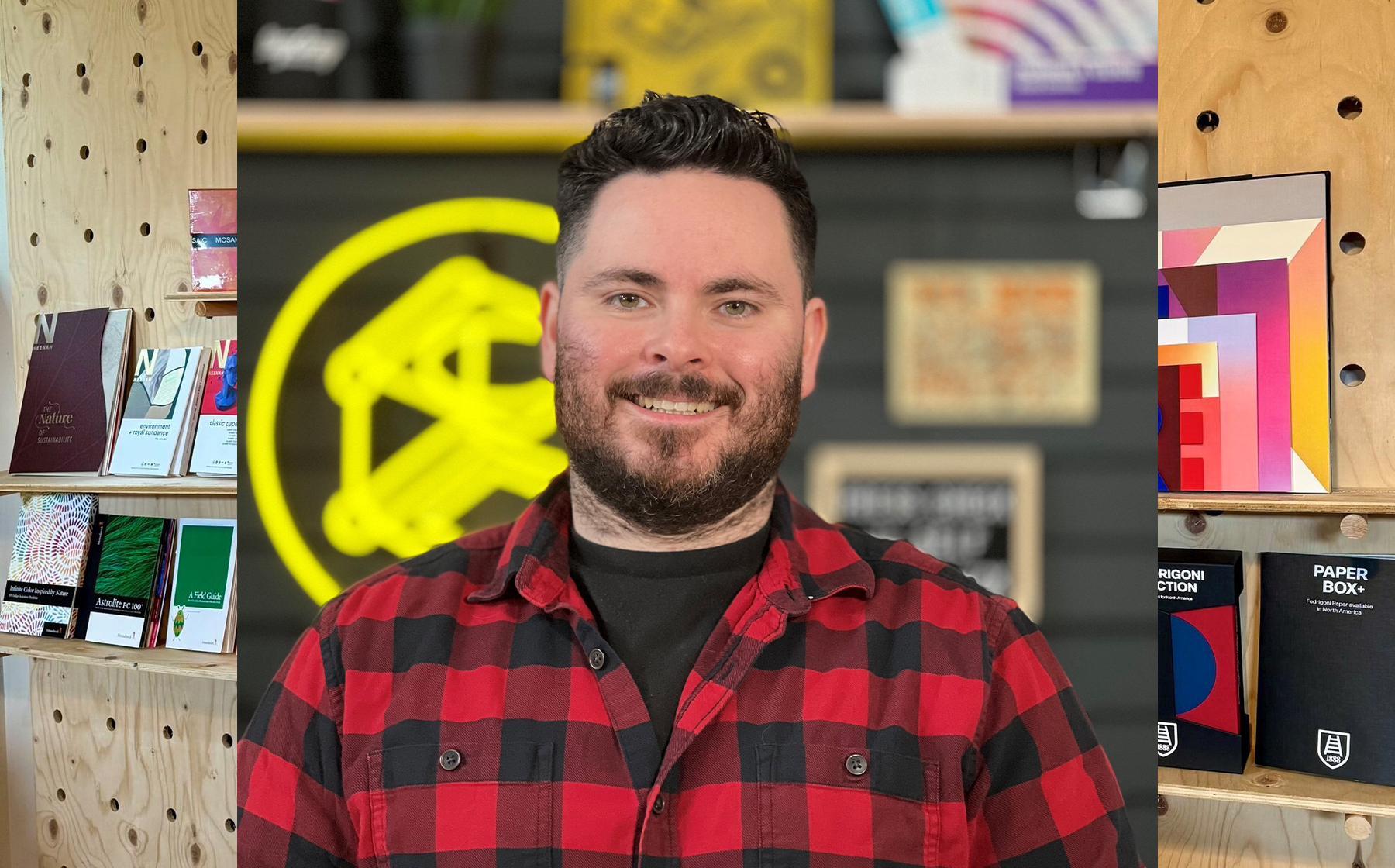
Dave Hopkins, the founder of the Print Design Academy, tells us his story and shares how designers can better understand print. He also leads the Print Design Summit, a free print and packaging multi-day virtual event.
• Learn how mechanic school led to creating the world’s largest virtual conference for print and packaging design
• Discover some of Dave’s key teachings on print materials
• Learn about some of Dave’s favorite print projects
• Register for this year’s Print Design Summit, which starts March 9
How did you first get your start in print, and what has kept you passionate about the industry throughout your career?
I originally wanted to be an auto mechanic. There was a show called West Coast Customs when I was a kid. They customized celebrity cars with big sound systems and all sorts of cool stuff, and I thought, “That’s what I want to do.”
I went to school for auto mechanics, then went back east to learn custom car audio. But when I came back to British Columbia, I just couldn’t find a job, and an ex-girlfriend’s dad felt bad for me. He was the largest print customer of a local print shop, and because he had a great relationship with the owner, he basically said, “Give the guy a job.” Over the next 18 years, I discovered that I love connecting with designers and creative directors who have a vision and helping them bring it to life. Cars, print jobs … it doesn’t matter. It’s the people and the customization that I love.
What are you doing to advocate for printing and paper? How can designers understand print fundamentals?
I started noticing that print was becoming a smaller part of design programs. Designers were graduating without the confidence or knowledge to design for print. The realization that something needed to be done is what planted the seed for the Print Design Academy, our community where we offer courses, mentorship and deeper support.
Our biggest initiative is our Print Design Summit, the world’s largest virtual conference for print and packaging design. It’s a free, five‑day event with more than 20 speakers covering packaging, labels, magazines, direct mail and future technologies.
The summit began because we wanted to put print and packaging design in front of as many designers as possible. We partner with companies like Domtar to help designers see what’s possible, and they get hooked.
The first Print Design Summit was 3 days and 13 speakers. Last year we had 22 speakers across 5 days, and more than 4,000 designers from 144 countries registered. Our 2026 event, from March 9-13, will be our biggest summit yet.
Seeing thousands of designers flood the event community, introduce themselves, connect across the world or even discover they live one town apart ... that energy is incredible. Hearing about breakthroughs and seeing designers decide to go all‑in on print is the most inspiring part.
The summit exists to give every designer, regardless of budget, access to inspiration and education.
What types of information are printers and designers looking for when it comes to training and education? What are some common gaps in education that you’re working to fill?
It really starts with terminology. To better understand print, you need to know some key terminology about the materials that are used in print, as well as the different options and potential print processes and methods that you could go through. For example:
The three categories of paper
We group paper into three categories:
- Coated: Paper with a level of gloss, like photo paper
- Uncoated: Paper that is flat and matte, like printer paper
- Technical and Specialty: Paper with specific uses, like tear‑resistant or food-safe paper
How paper is measured
I explain it based on what a designer actually needs to know:
- Caliper: The thickness of a single sheet of paper
- Pounds: How the weight of text and cover stocks are measured in North America.
- Grams per Square Meter (GSM): Used globally and is less common in North America
I also remind designers there’s printer language, designer language and client language, and they don’t always overlap. What designers need to know is that a bigger number means thicker paper.
Substrate
This is the material you’re printing on. It’s any surface that receives ink. Paper is a substrate.
What are memorable print projects that stood out from a design or production perspective?
The VHS sleeve challenge
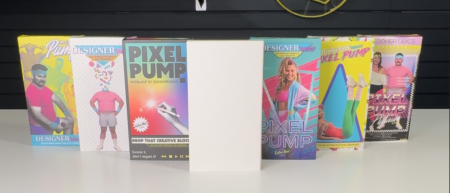
We created a fictional brief for a VHS sleeve for a made‑up aerobics video called Design Aerobics. We rented a studio, dressed in full 80s attire, choreographed a routine and filmed it. Designers used our assets to build their sleeves. We printed the top six designs as real VHS sleeves and sent them to the designers. For some of them, it was the first time they ever held their work in print, and that’s the moment we’re always trying to create.
Luxury real estate magazine
A real estate agent who only sells land to developers invested in a high‑end, specialty‑finished magazine. I have never seen a realtor care so much about their brand and the quality of a print job. The magazine was very luxurious, with specialty coatings that made for a beautiful printed piece. And it only takes one deal from that magazine to pay for creating the magazine. Some businesses really understand the value of print, and it shows.
What’s inspiring you right now?
The rise in excitement about print again. The pendulum swung hard into digital. But over the last 6 to 12 months, we’ve seen print inquiries rise, engagement increase and more projects start flowing through print shops. People want real things and real experiences again.
Print never went anywhere, but it’s becoming mainstream again, and that’s incredibly inspiring.
To advocate for printing, print your work. Share the process. Show people what print can do. When something is printed, it becomes real.
Learn more about Dave Hopkins and his work to help designers better understand print:
- Register for the Print Design Summit
- Growing a Design Business with Print
- Always Grinding Yeti with Cold Foil